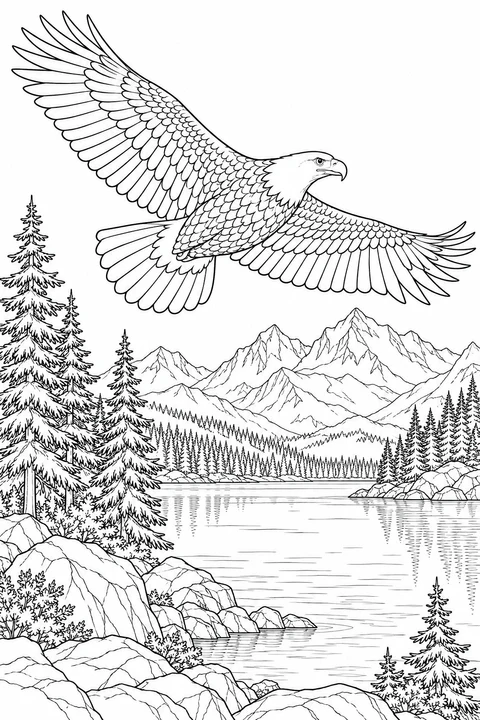
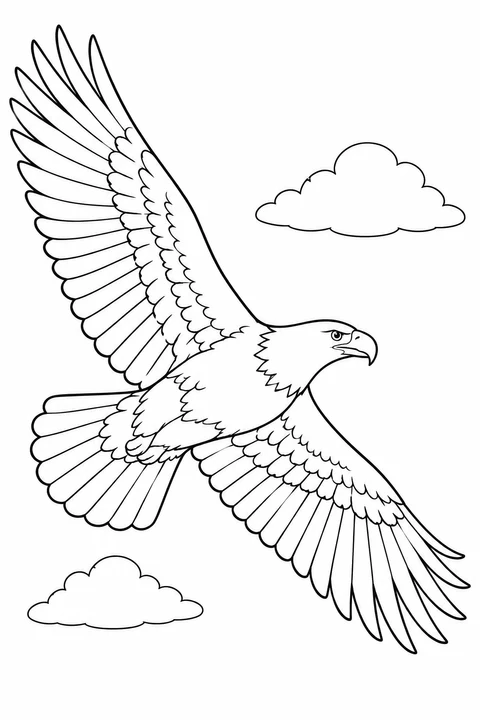
Bald Eagle over the Lake
detailed

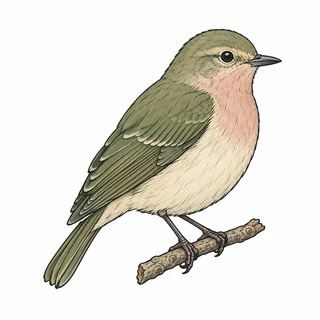
Animal, flower and vehicle drawings sit alongside detailed landscapes and imaginary creatures in this collection. Compare broad shapes, fine lines and areas already shaded black before choosing a page to color on paper.
detailed
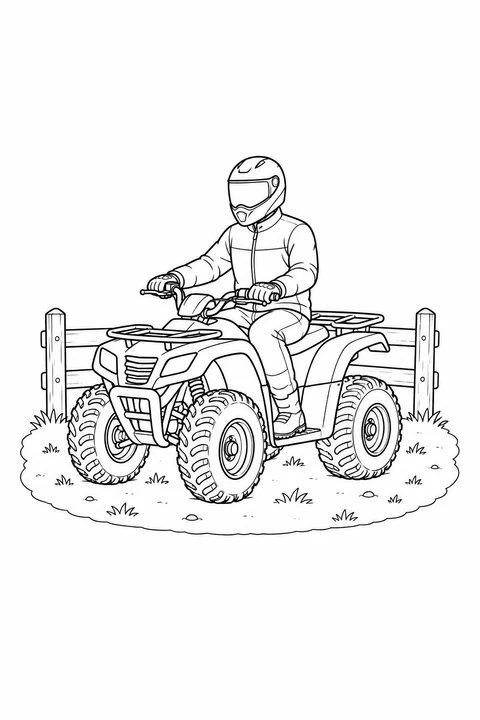
medium
easy
easy
medium
detailed
medium
medium
medium
medium
easy
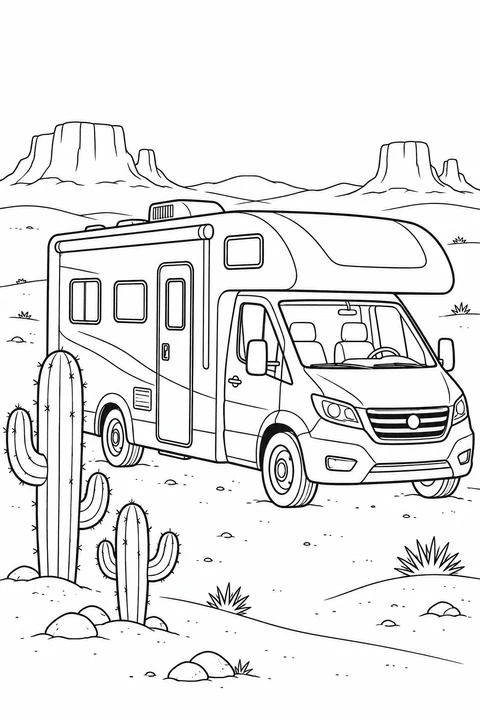
medium
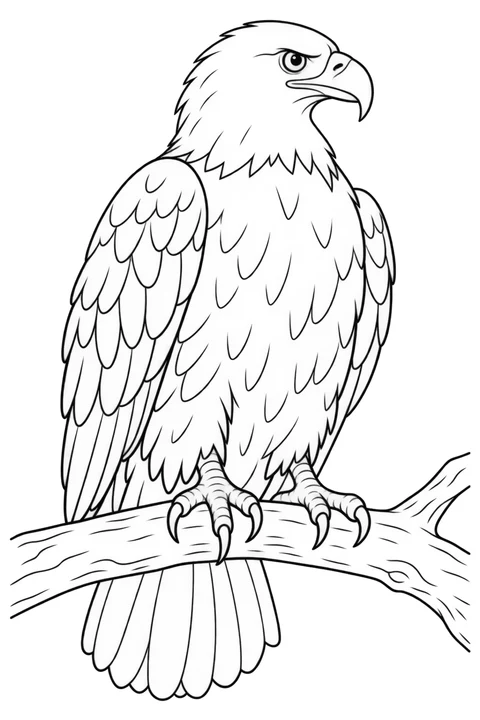
More natural proportions do not always mean a crowded page. Look for feathers, grooves or a broad coat, then choose which marks you want to work around.
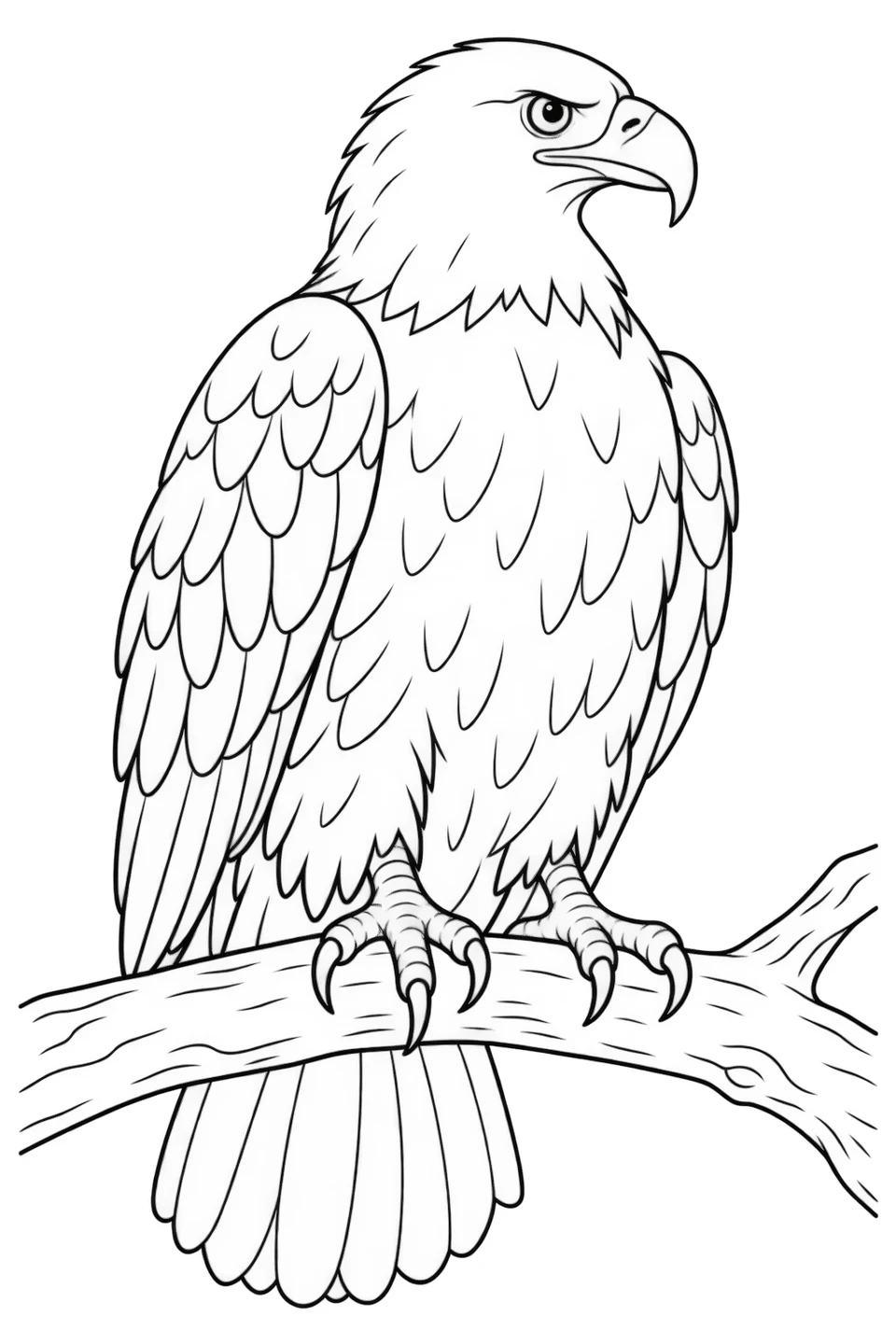
The eagle has long tail feathers and smaller shapes on its wings. Follow one group at a time; the head can stay white.
Bald Eagle on a Branch →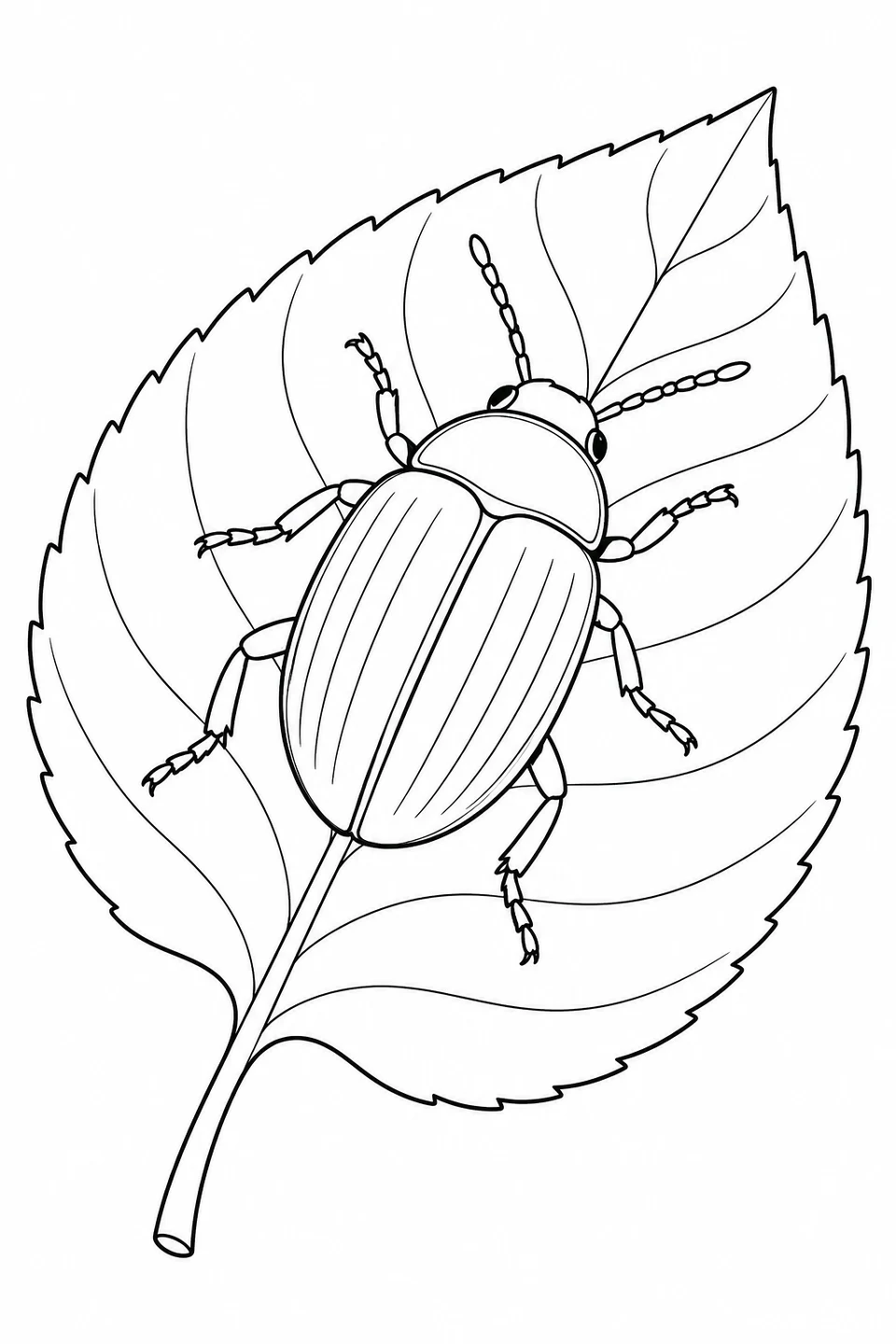
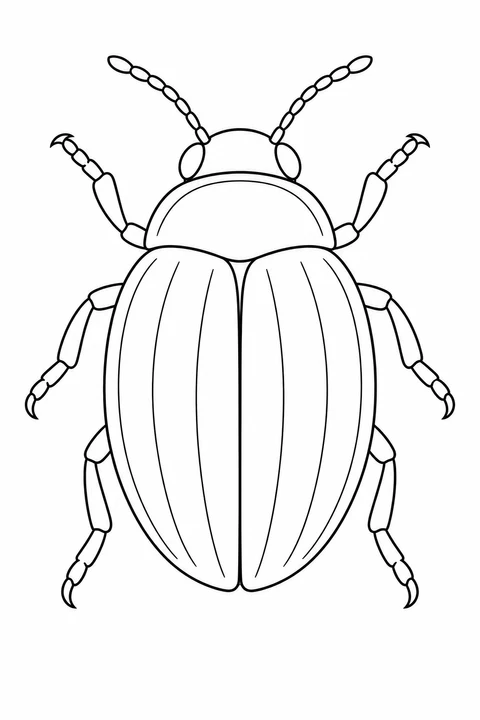
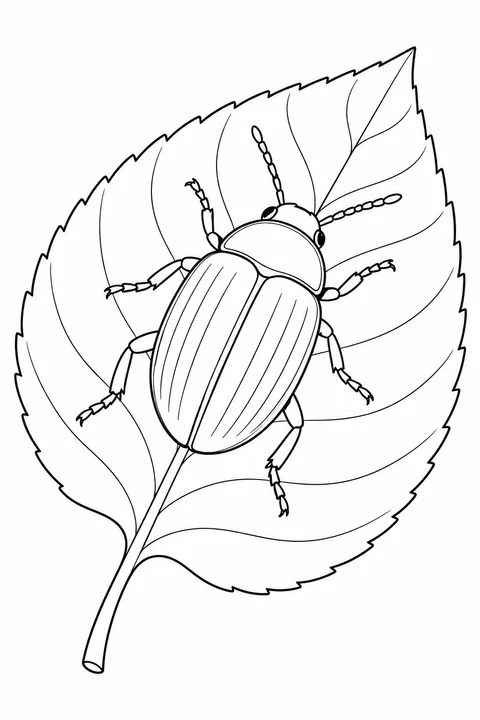
The beetle's wing covers and the large leaf have different lines. Use separate colors for the insect and leaf to keep both readable.
Beetle on a Veined Leaf →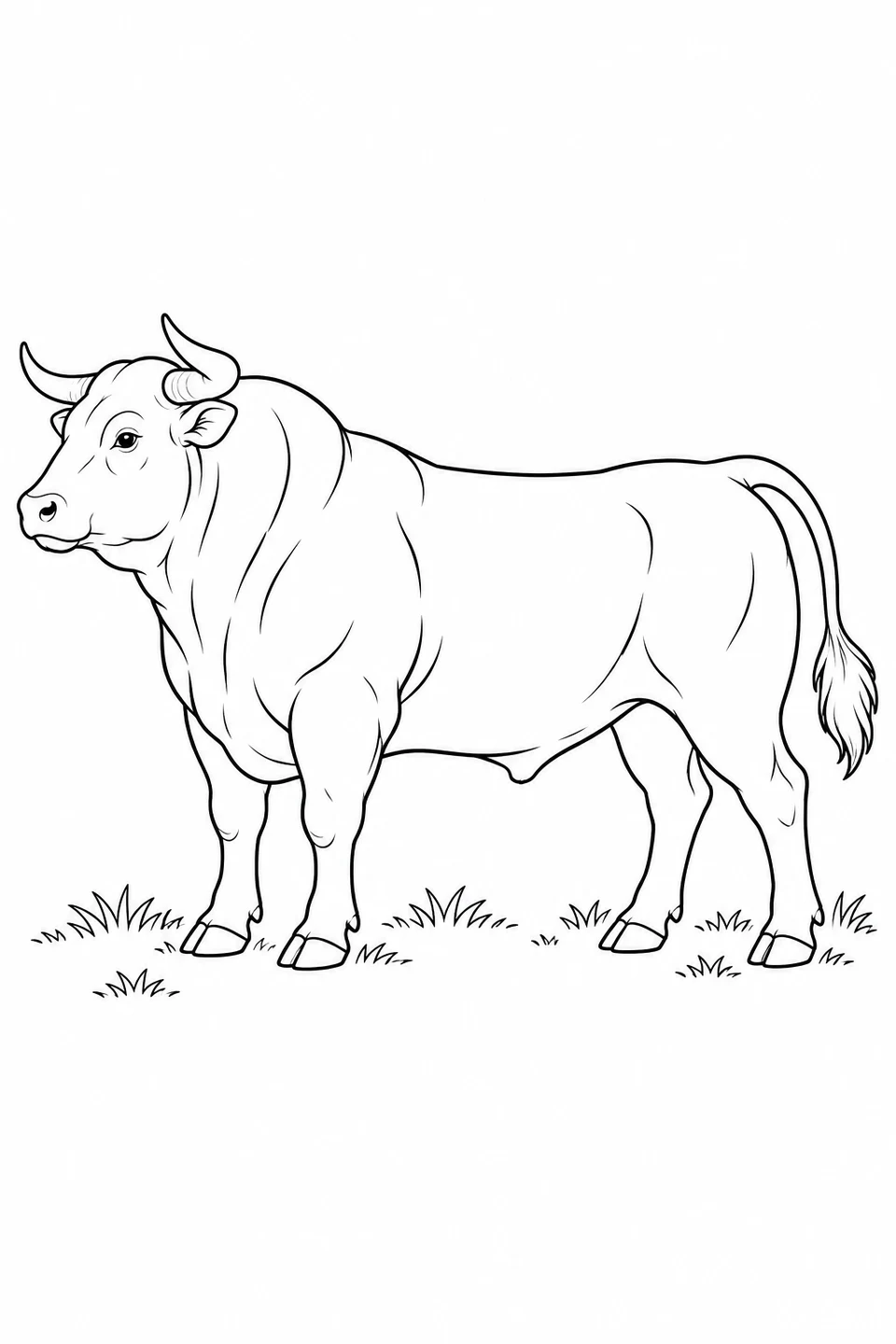
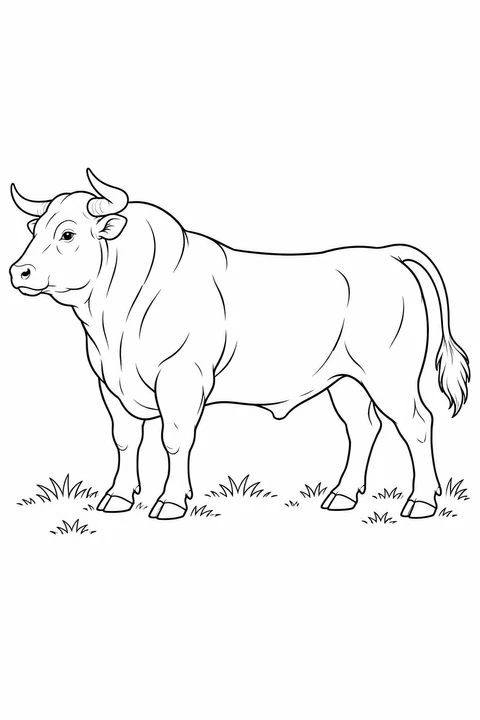
The bull has a large open body and small grass tufts. Choose it to try light shading without many enclosed sections.
Bull Standing in Side View →Print the original line drawing linked below. The numbered areas match the color key and steps; use the colored example as a starting point, then choose your own colors if you prefer.
Digital coloring example
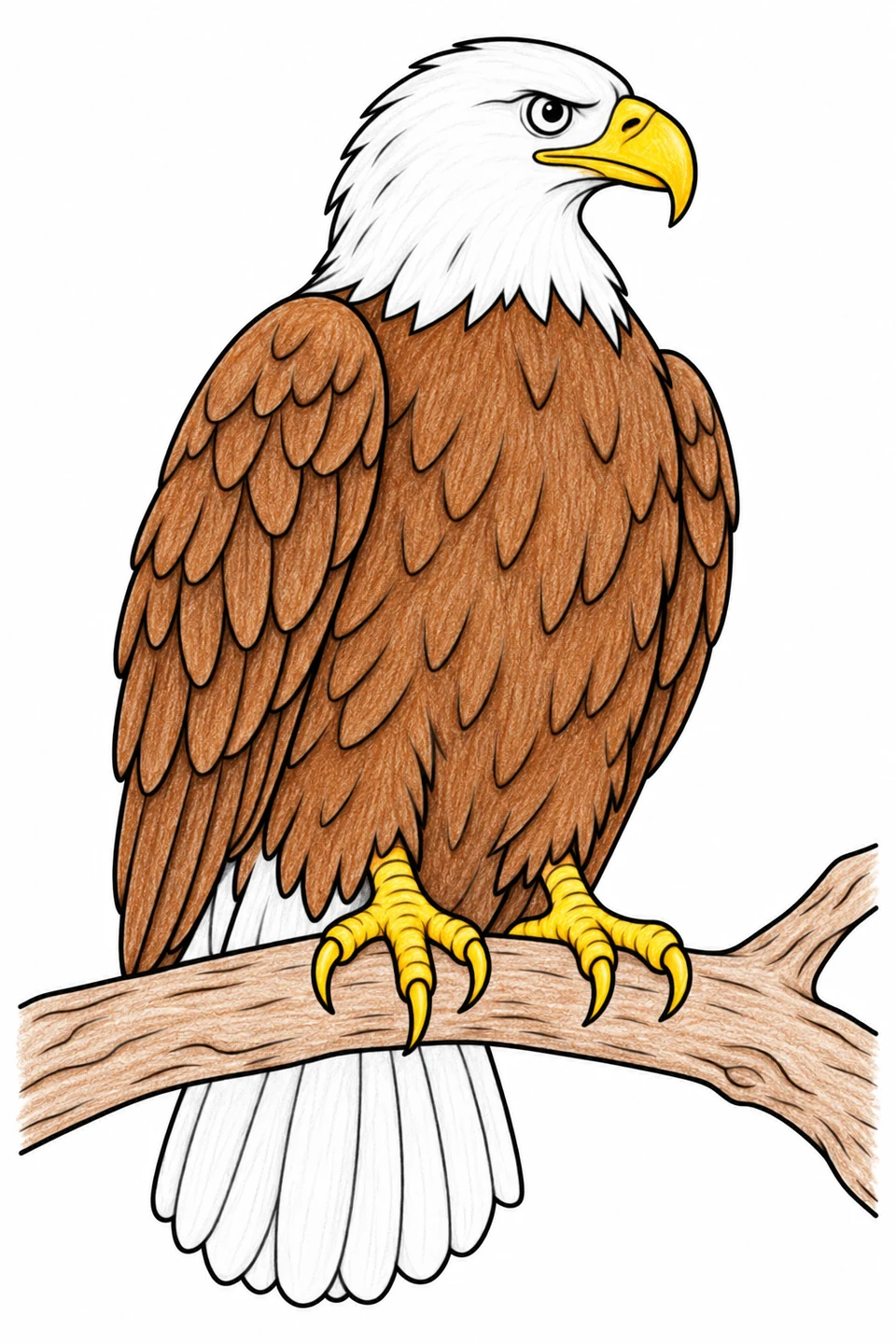
The feather lines, white head and yellow beak should still be easy to separate.
Look at a clear photograph of the same subject before choosing natural colors. Compare one visible feature at a time, such as the head, wing or leaf.
These line drawings simplify their subjects. The palette is a coloring suggestion, not an identification chart; imaginative colors are welcome too.